
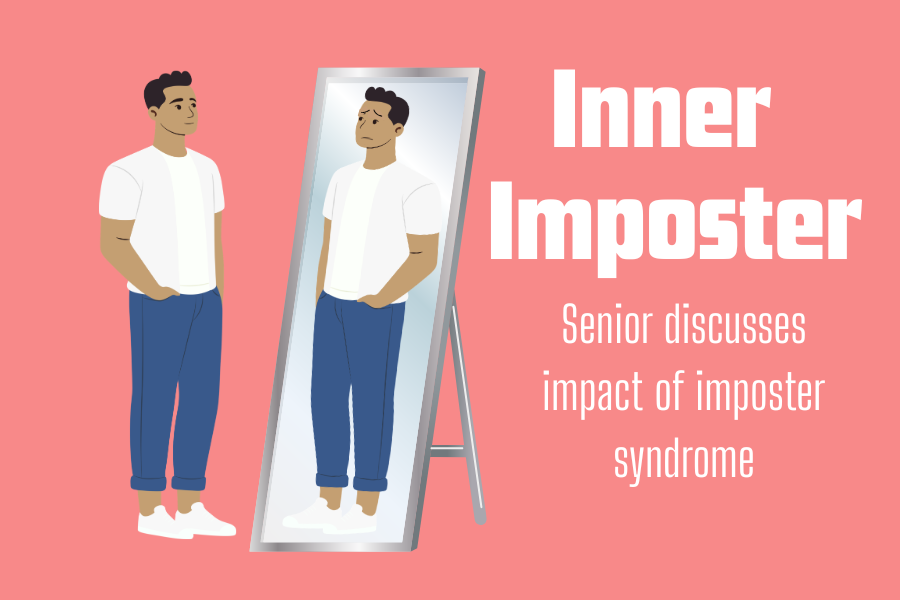
Imagine, you’re in your mid-30s, you strived for success in high school so you could get accepted to a prestigious university, you graduated top of your class with a perfect GPA and went on to build a successful career. Once you’ve reached the top, you begin to feel like you don’t deserve success even though you have worked so hard for it. You have finally achieved what you have always wanted, but your own mind strips that happiness away from you. This is what it’s like to suffer from imposter syndrome.
What is it?
Imposter syndrome is a psychological phenomenon rooted in a person’s false belief in themselves. It’s that nagging voice that says, “you’re not good enough” or “you don’t deserve it.” It undermines people’s confidence, making them feel as if they haven’t earned their accomplishments or that other people deserve that success more than them. This most commonly affects highly successful or intelligent individuals due to their perfectionist tendencies. Often, they feel they aren’t worthy of the things they have accomplished.
Causes
There are many things believed to contribute to imposter syndrome, but the most impactful is upbringing. Kids with parents who set a great emphasis on success and achievement are very prone to developing imposter syndrome. This is because they equate their self-worth with achievement rather than their inherent worth. They fear that one mistake can expose them as a fraud to those around them. Another cause is constant criticism. Those who are constantly berated by loved ones, friends or co-workers will begin to believe that nothing they do is good enough and that one slip-up could ruin them.
Effects
Imposter syndrome can negatively affect every aspect of a person’s life. In school, students impacted by imposter syndrome often end up overworking themselves, which leads to burnout and exhaustion. This could lead to them failing classes, goals or the people they love, further fueling their cycle. Relationships are another common target of imposter syndrome. It makes people feel like they are not worthy of their partner’s love and attention or that they are not doing enough for their partner. Imposter syndrome can also lead to more complex mental health issues like depression and anxiety. These are serious issues that can completely alter someone’s quality of life.
Solutions
We often hear the saying “comparison is the thief of joy.” This is especially true when discussing imposter syndrome. If you focus on your own goals and achievements instead of comparing yourself to others, you can recognize that you deserve success and what comes with it. It also helps to visualize success when preparing for a task versus fearing failure. With a thought-out plan and an established goal, failure becomes much less likely. Even if you do fail, it’s not the end of the world because failure sets you up for future success.

